You Never See the Sun Where It Actually Is — Only Where It Was 8 Minutes Ago
Light takes time to travel, so every glance into space is a glance into the past. The night sky shows stars as they were years, even millennia, ago.
Today’s hidden fact · Sunday, August 9, 2026
Voyager 1 is over 24 billion km away, so far its radio signal takes 22+ hours to arrive, sent by a transmitter weaker than a refrigerator bulb.
A football-field-sized lab, falling around Earth at 8 km every second.
Crew-12 Dragon Jessica Meir · Jack Hathaway · Sophie Adenot · Andrey Fedyaev
Shenzhou 23 Zhu Yangzhu · Zhang Zhiyuan · Lai Ka-ying
Soyuz MS-29 Pyotr Dubrov · Anna Kikina · Anil Menon
2018 SP2
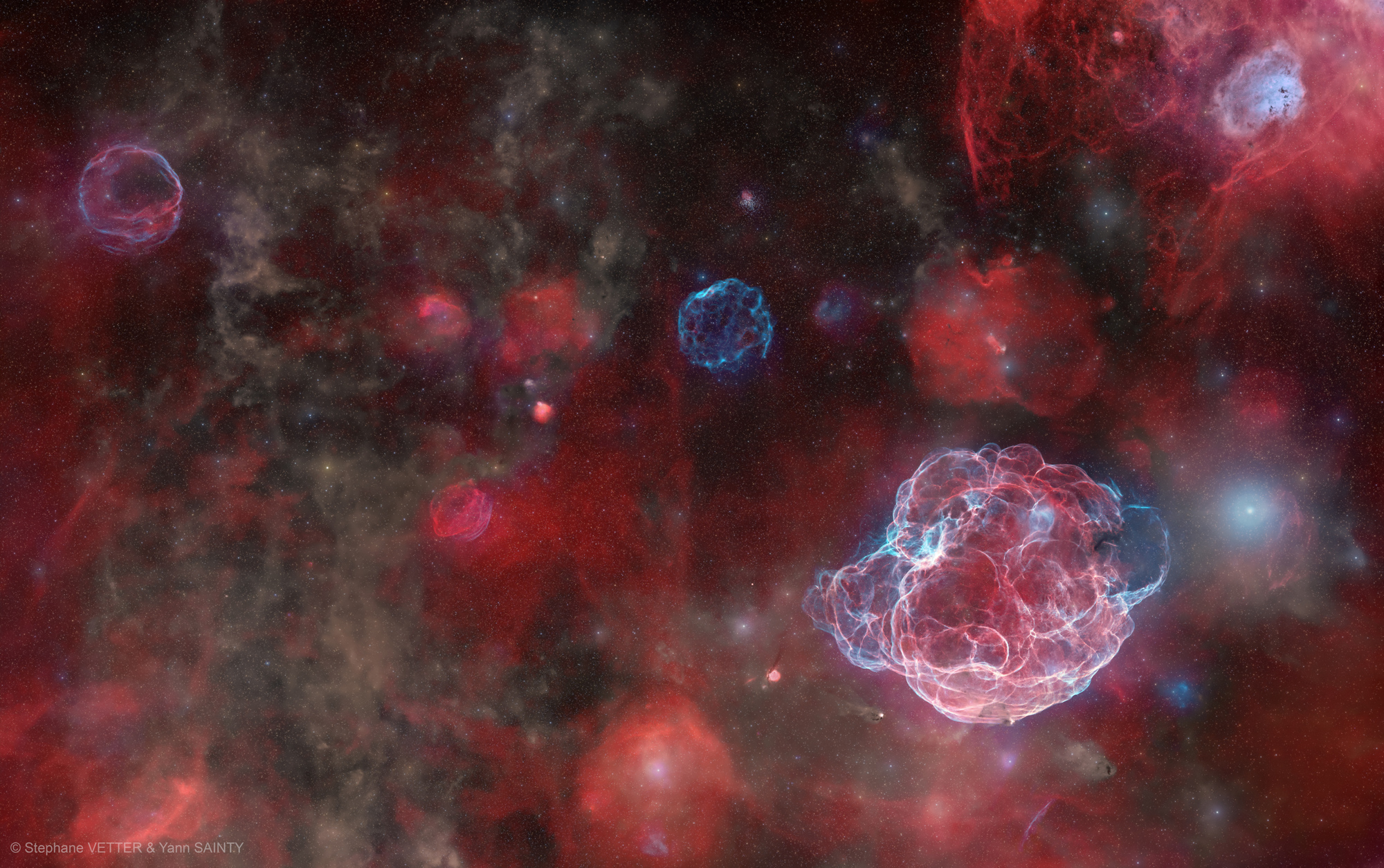
The Ghosts of Five Supernovas
The ghosts of five supernovas haunt this extraordinary image. It was acquired at Oukaïmeden Observatory in Morocco with approximately 200 hours of observations and shows a large patch of the sky, equivalent to the area of one thousand full moons tiled togeth…
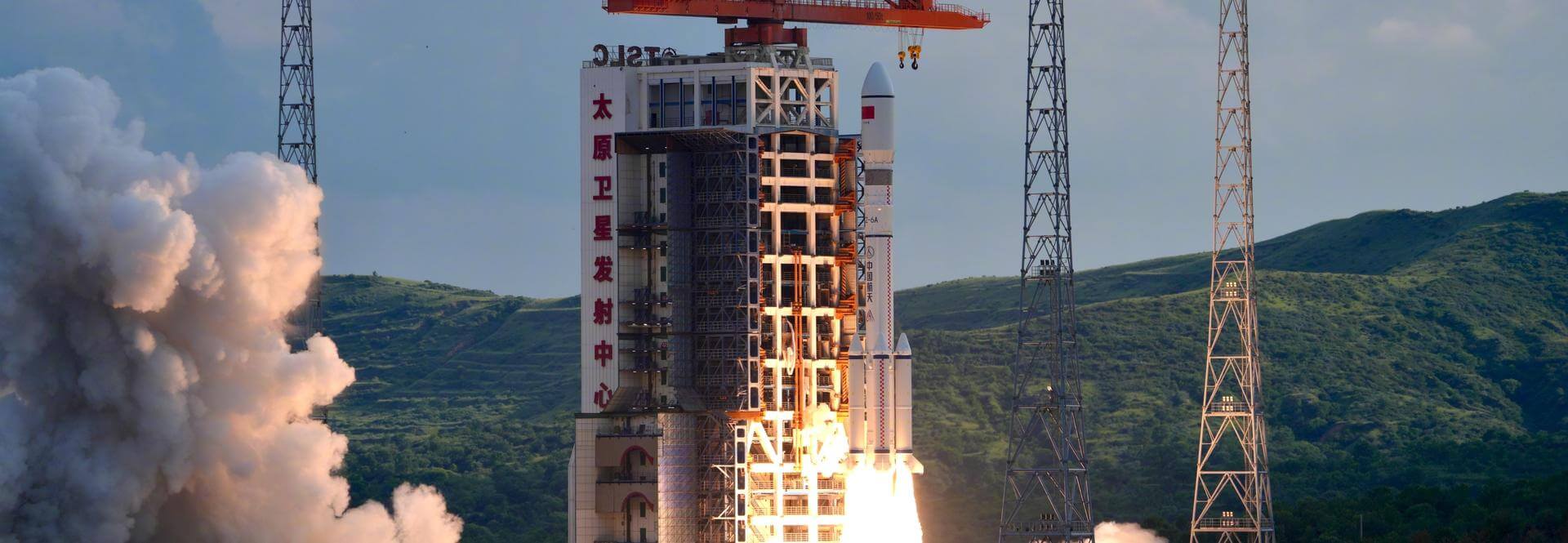
Long March 6A | Unknown Payload
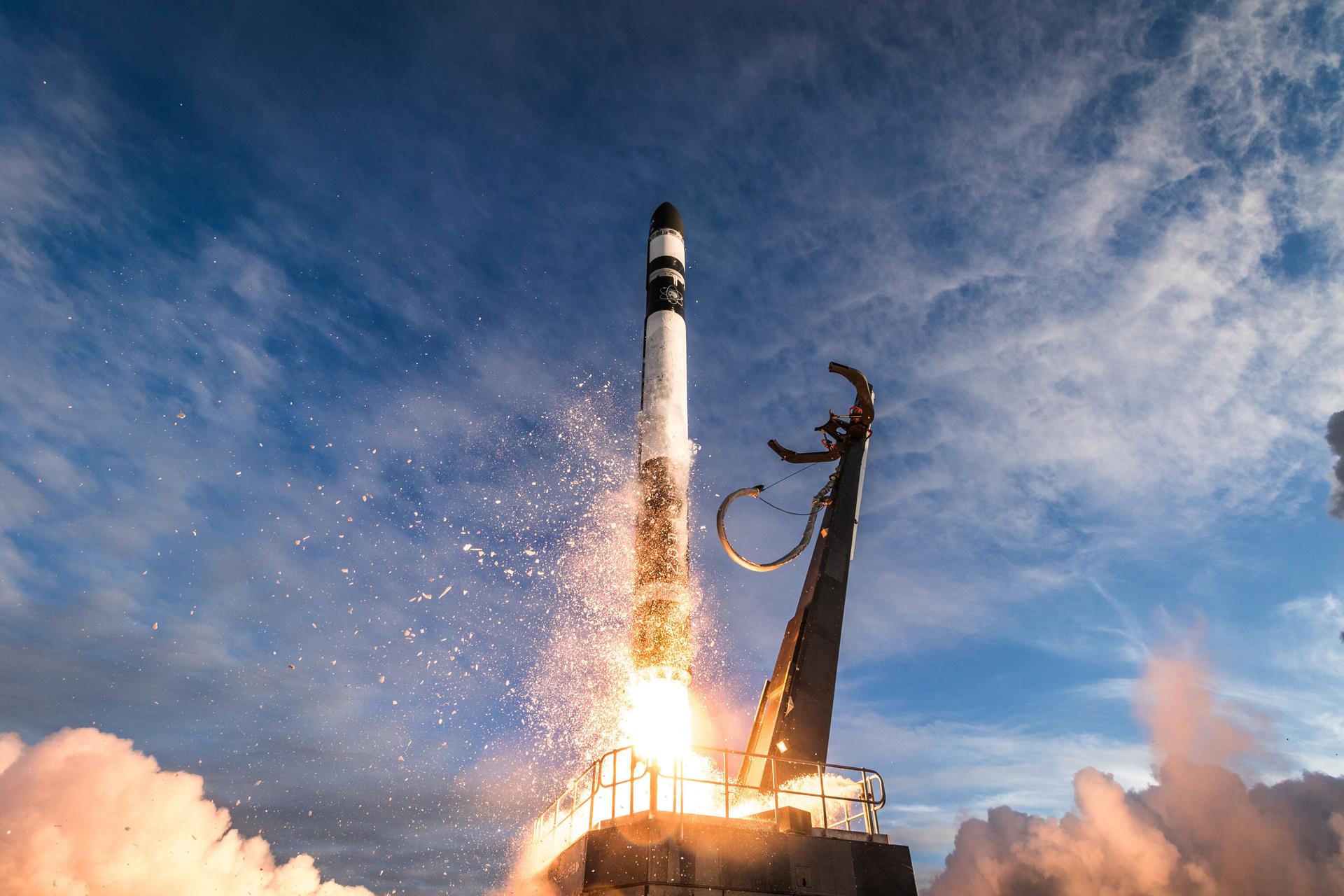
Electron | Owlright, Owlright, Owlright (StriX Launch 13)
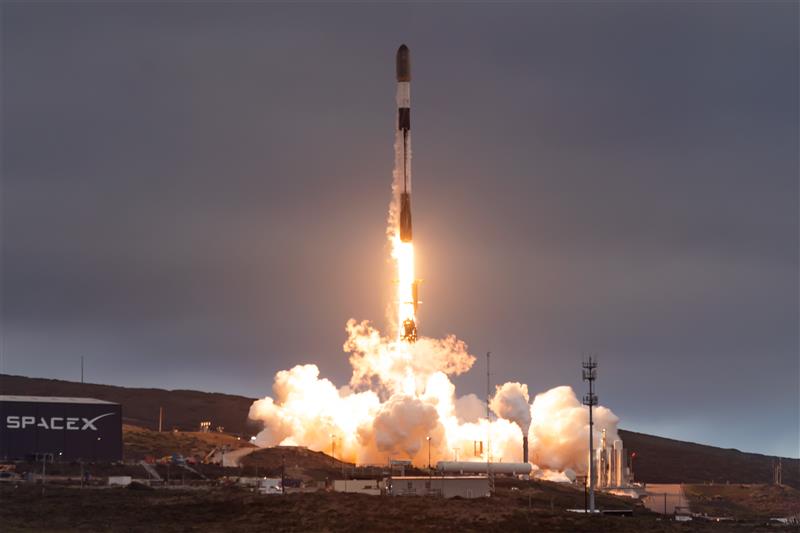
Falcon 9 Block 5 | USSF-385
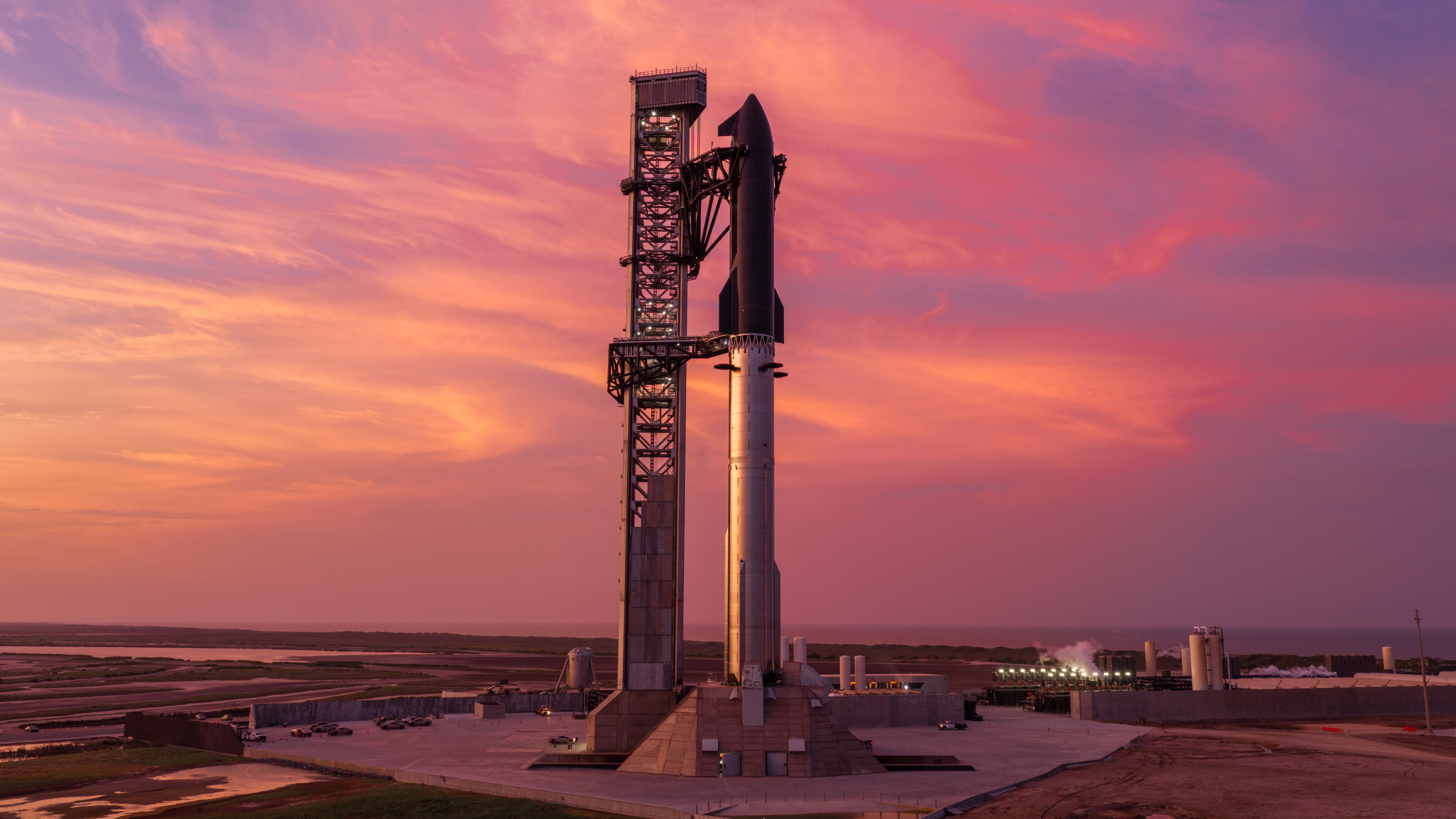
Starship | Starlink Group 31-1 (Starship Flight 14)
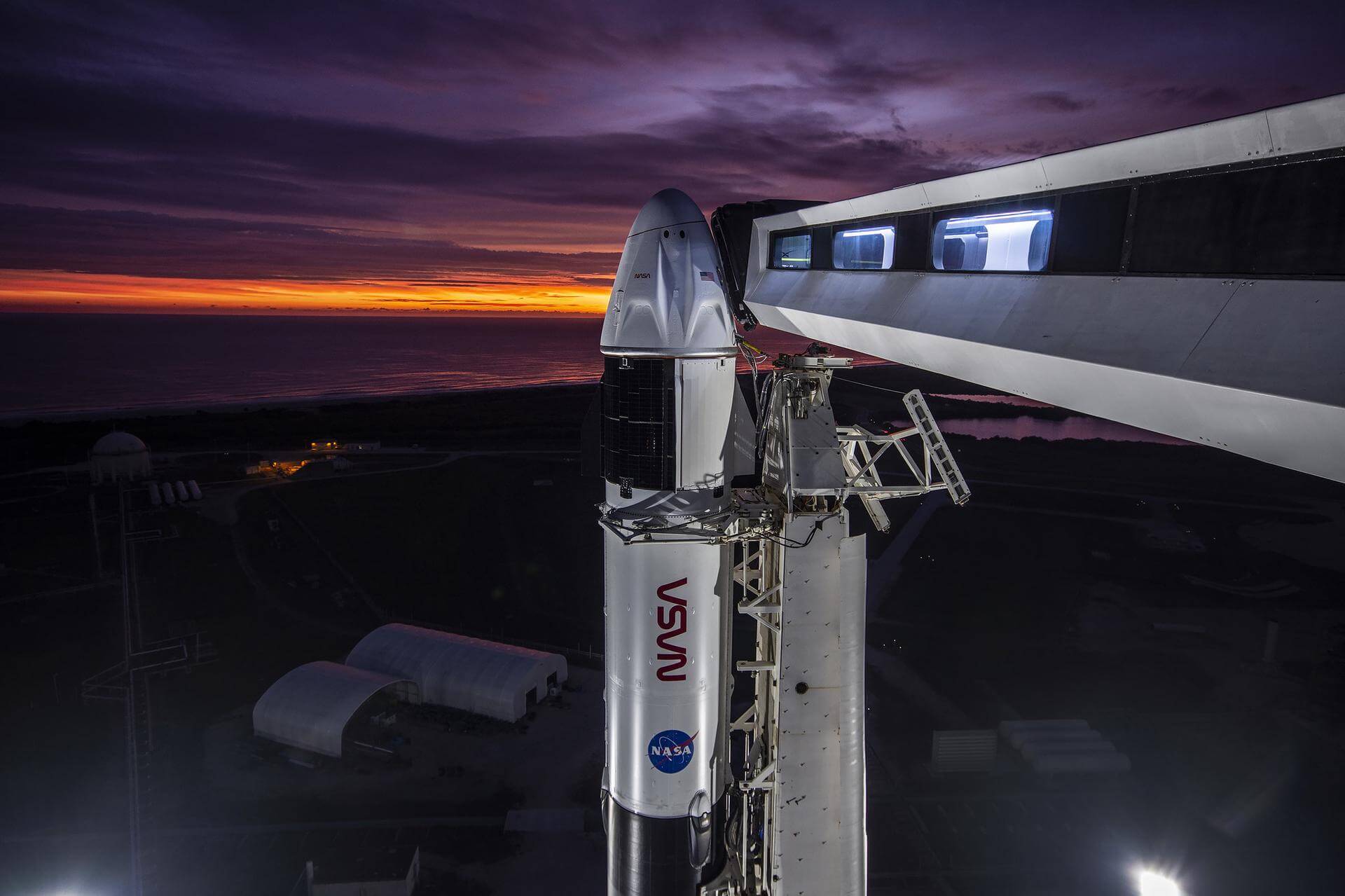
Falcon 9 Block 5 | Crew-13
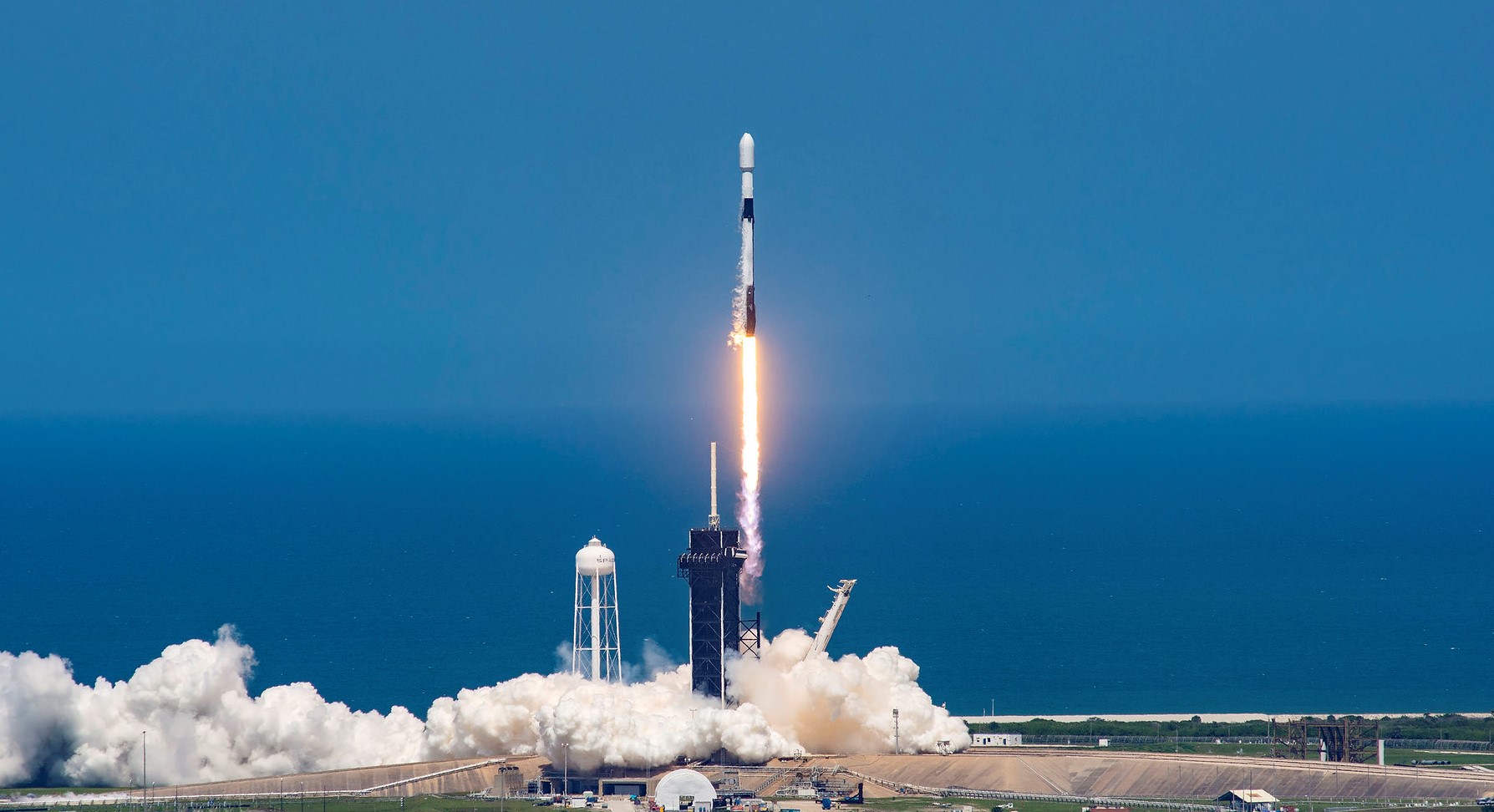
Falcon 9 Block 5 | Transporter 18 (Dedicated SSO Rideshare)
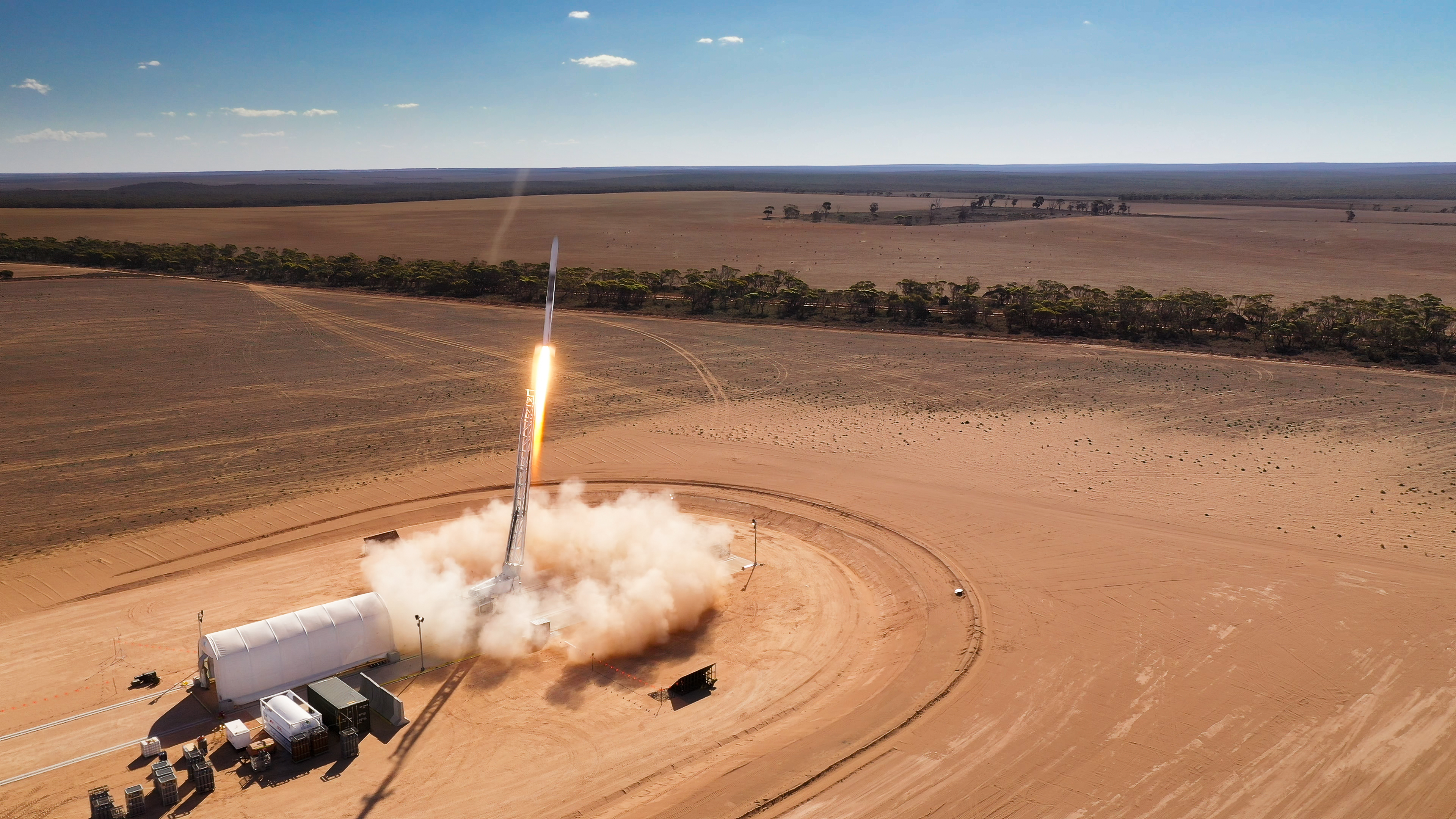
SR75 | Flight 2
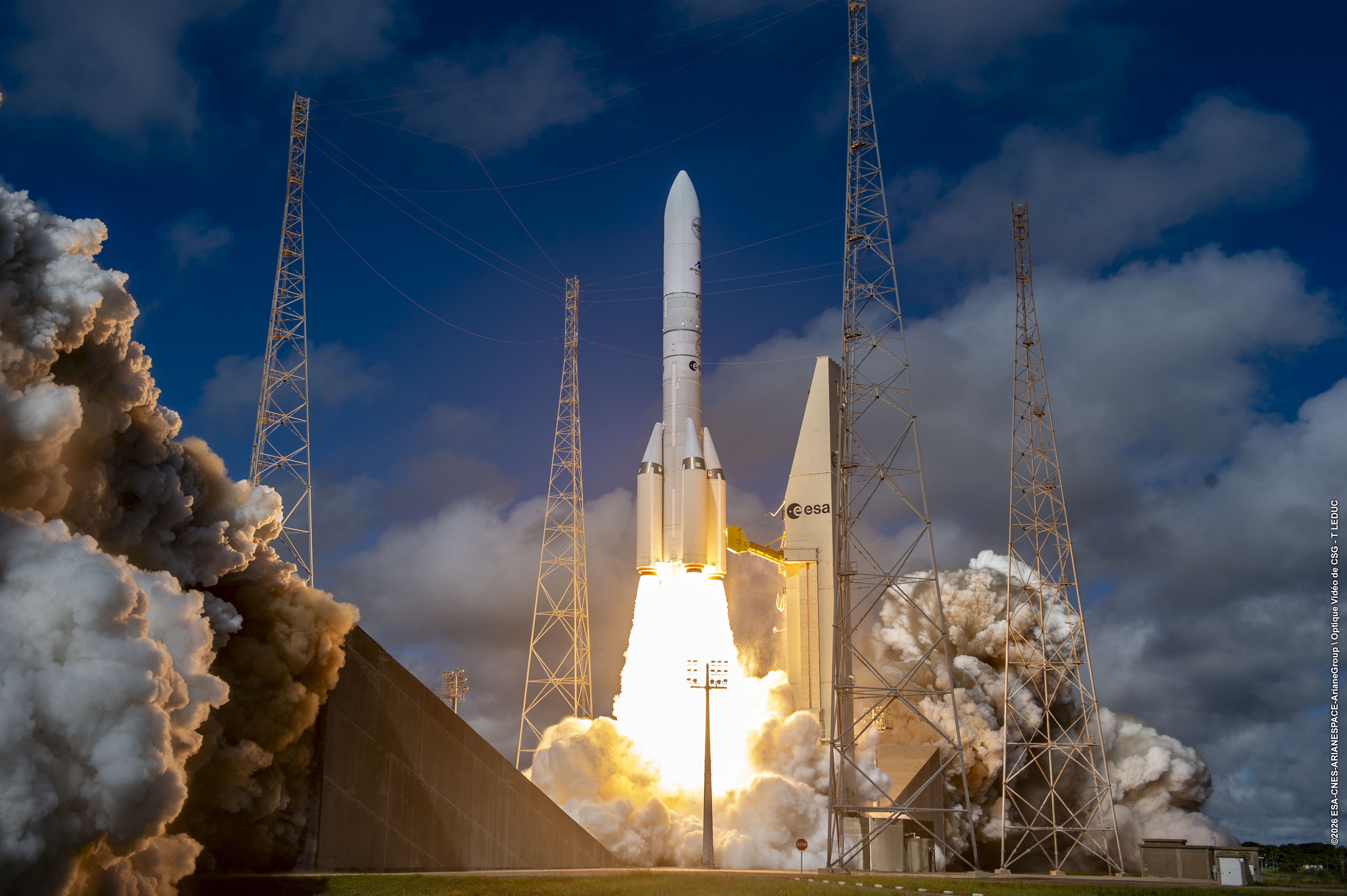
Ariane 64 Block 2 | Amazon Leo (LE-04)
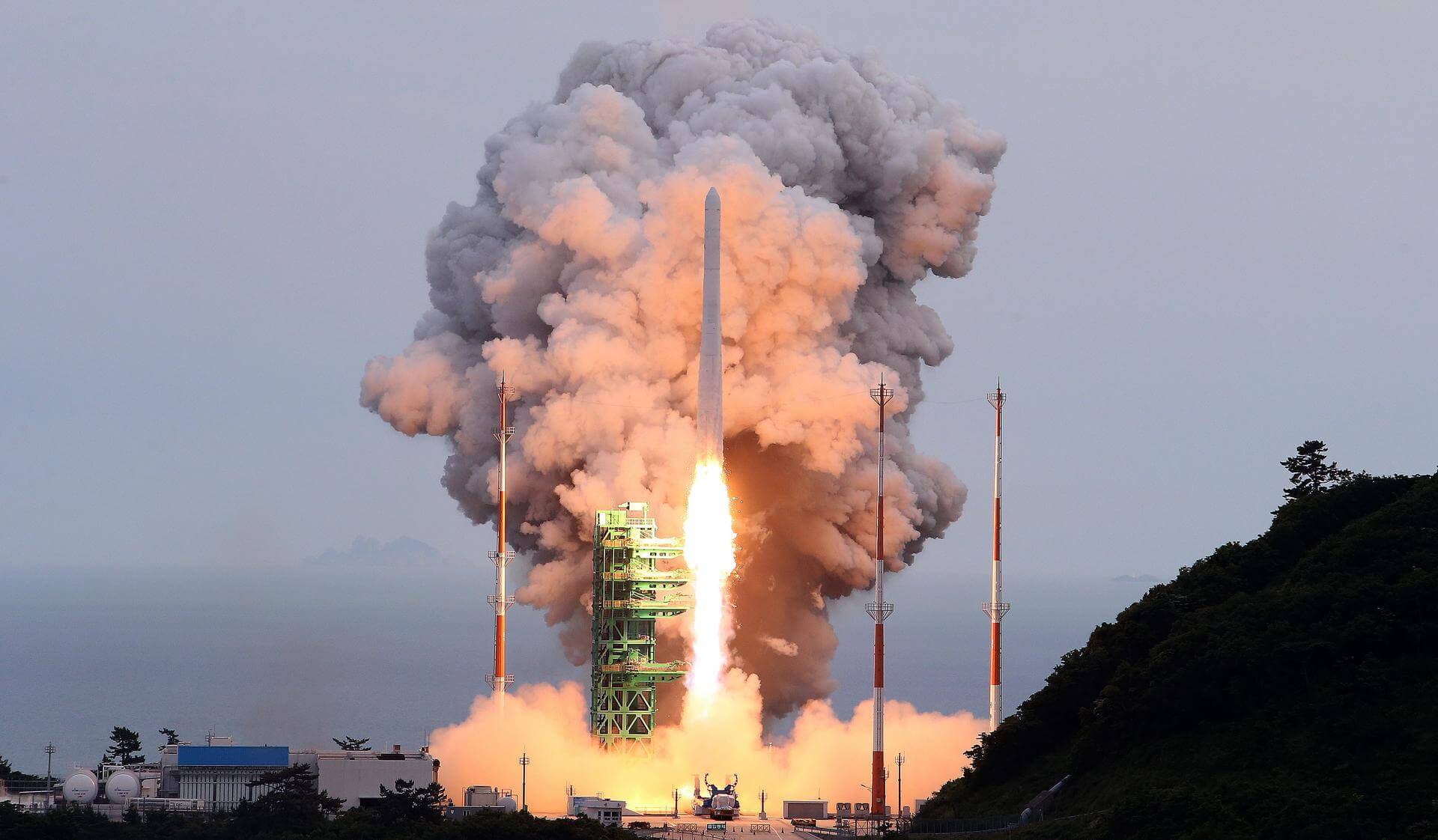
Nuri | NeonSat-2 to 6

Falcon 9 Block 5 | Starlink Group 15-25
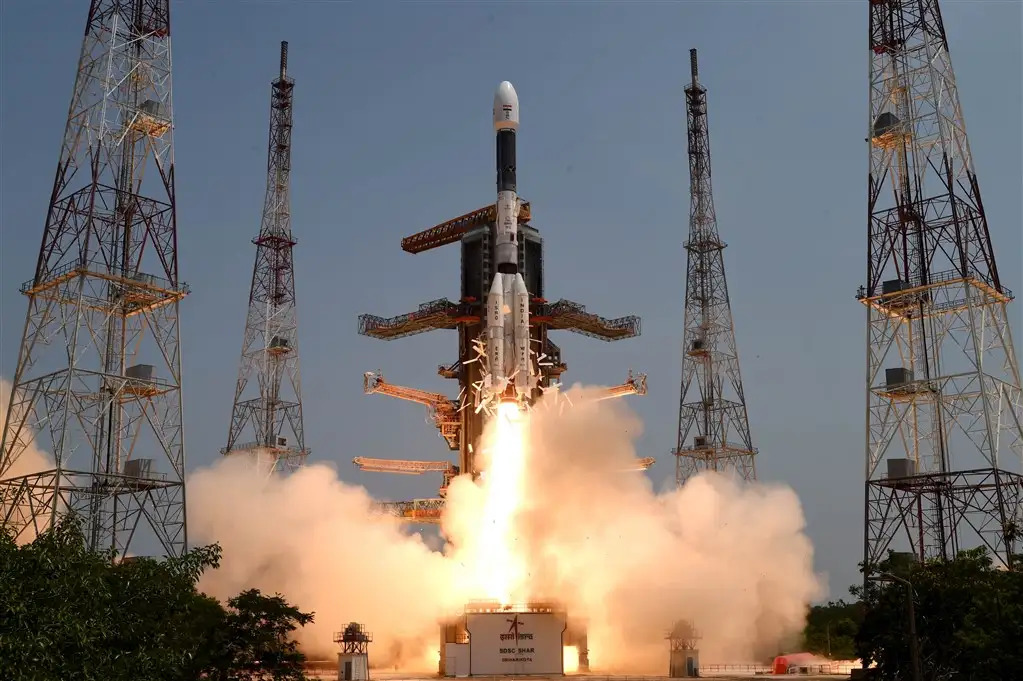
GSLV Mk II | IRNSS-1L (NVS-03)
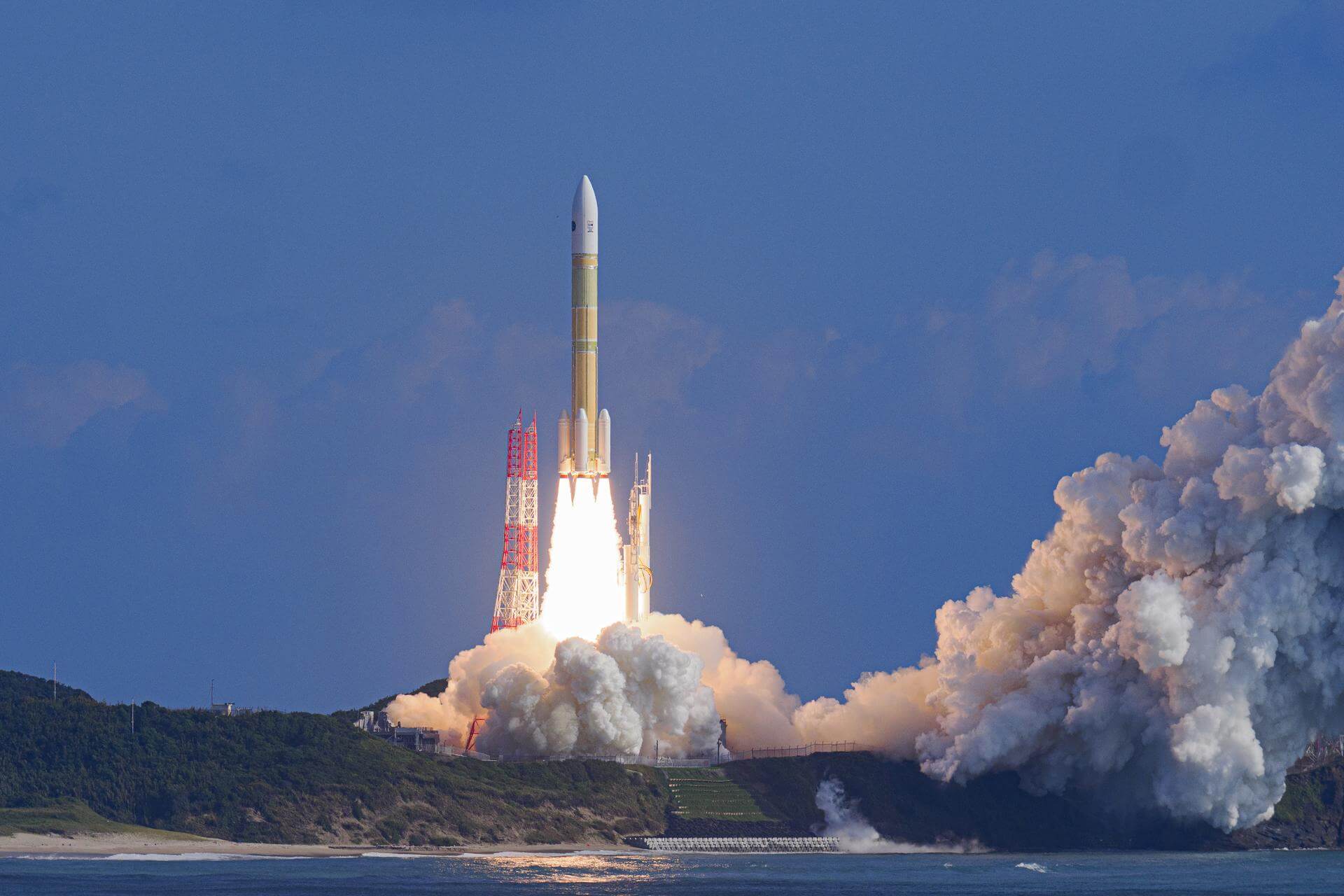
H3-24 | Martian Moon eXplorer (MMX)
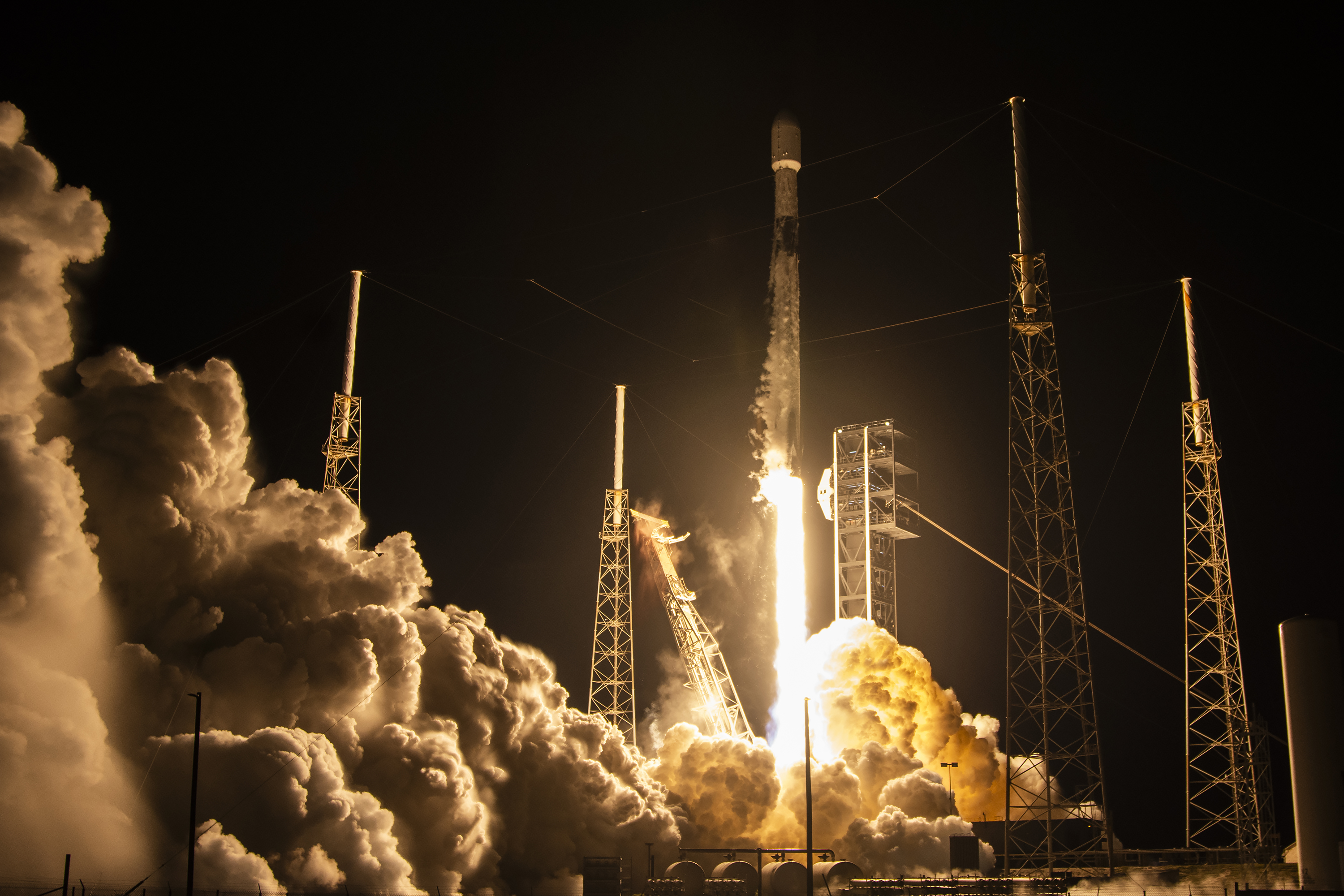
Falcon 9 Block 5 | Bandwagon 5 (Dedicated Mid-Inclination Rideshare)
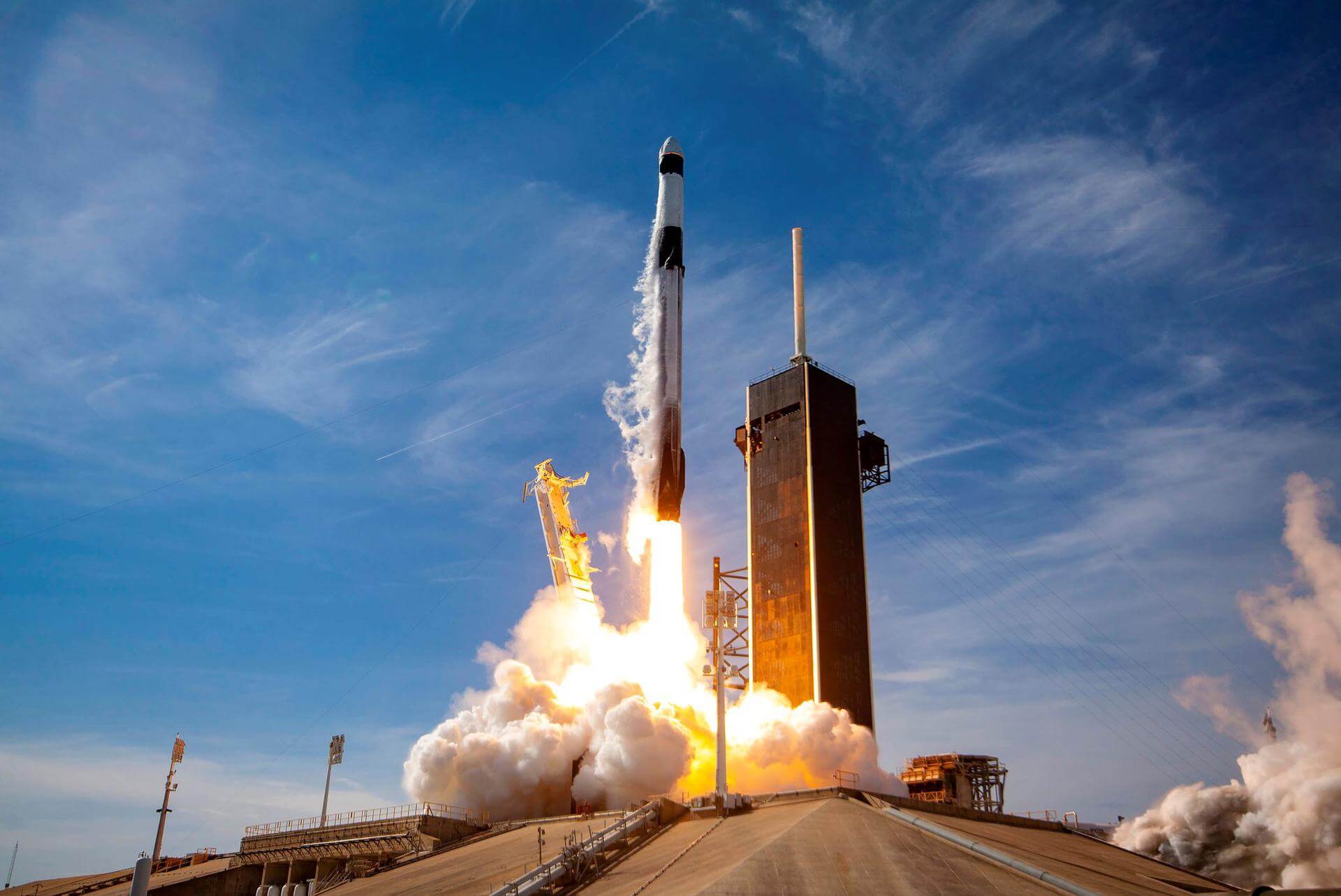
Falcon 9 Block 5 | Dragon CRS-2 SpX-35
Falcon 9 Block 5 | SDA Tranche 1 Transport Layer A
2018 SP2
2016 LY8
2008 ST
2018 HN
2014 QJ33
2010 TW54

ESA · today
Record participation in ESA’s Industry Space Days 2026
On 16–17 September, the European Space Agency (ESA) hosted a record 3100 visitors from Europe’s space industry for a two-day Industry Space Days (ISD) event at ESA’s ESTEC technica…
European Spaceflight · today
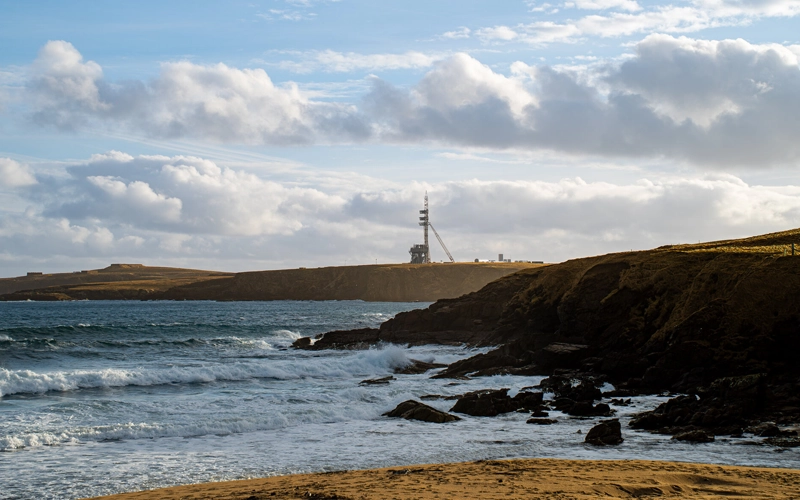
ESA Awards RFA €2.7 Million in New Funding for SaxaVord Operations

NASA · today
APOD: 2026 September 24 – The Ghosts of Five Supernovas
NASA · today
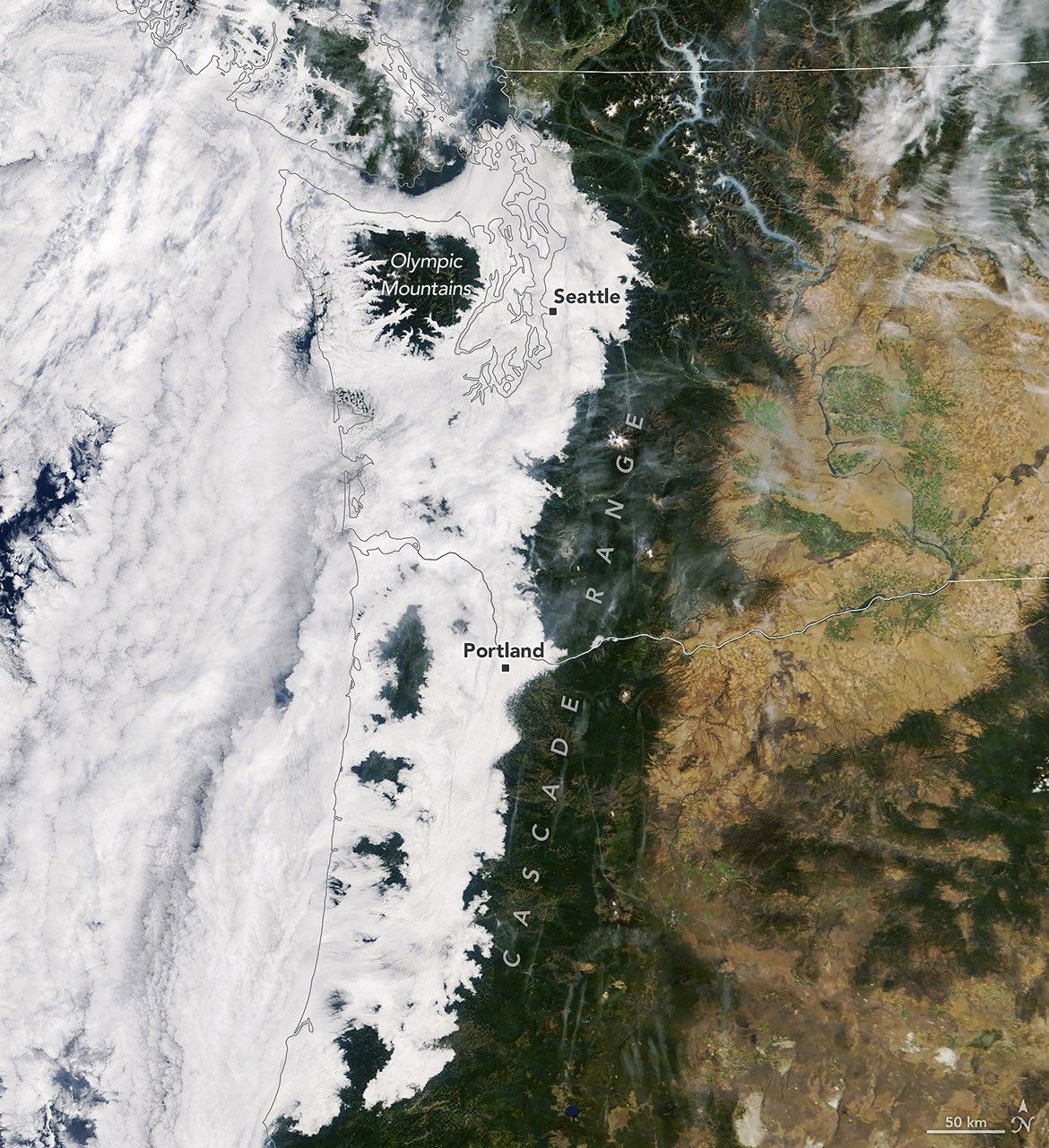
Cloudy Cloak Over the Northwest
SpacePolicyOnline.com · today
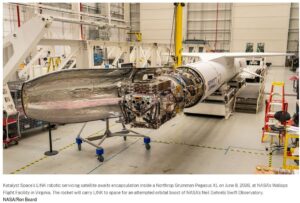
Swift Rescue Mission May Not Have Succeeded, But No Regrets
NASA · today
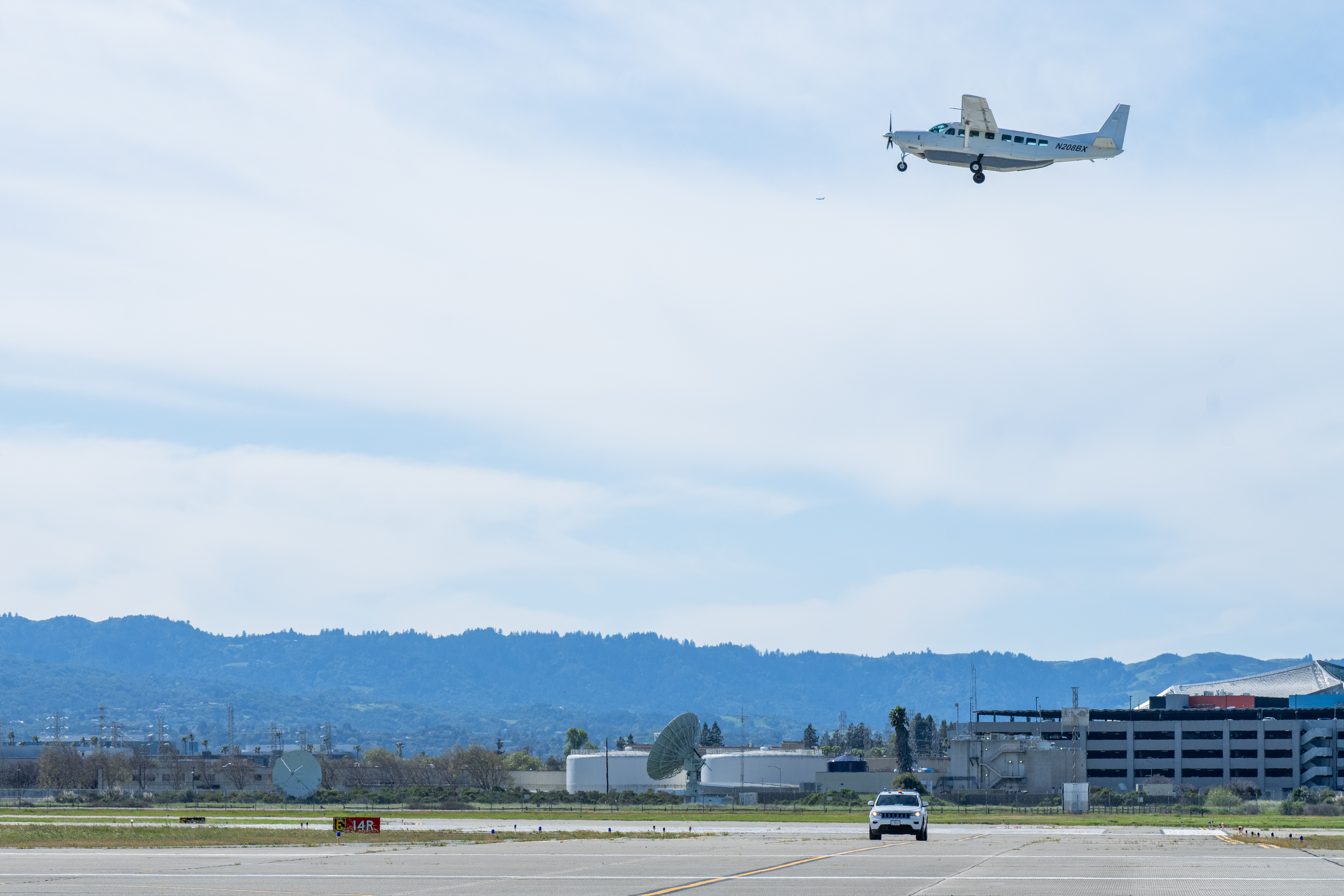
NASA Modernizes Commercial Airline Systems
Spaceflight Now · today
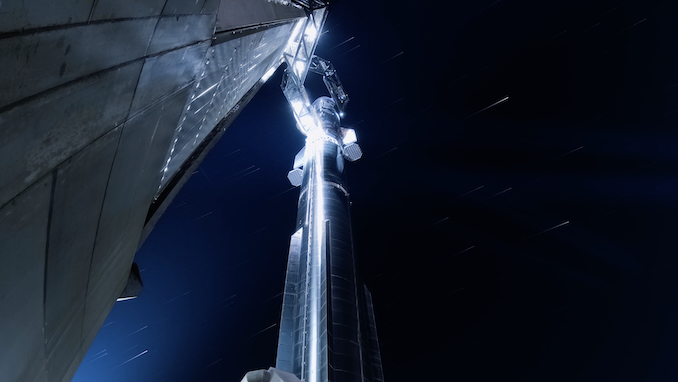
SpaceX stack Starship and Super Heavy for first orbital flight
Scroll from your rooftop to the edge of the observable universe. Every stop is real.
Begin the voyage →The real solar system, computed from orbital mechanics. Scrub time and watch the maths.
Run the simulation →Five questions, one round a day, same for the whole planet. Build your streak.
Play today's round →Put Earth next to the Sun. Then next to a black hole. Watch your brain give up.
Compare anything →Black hole, light-year, quasar — every space term, explained like a human.
Learn the language →Light takes time to travel, so every glance into space is a glance into the past. The night sky shows stars as they were years, even millennia, ago.
In 2015 we caught two black holes colliding a billion light-years away, wobbling spacetime by less than the width of a proton. Einstein predicted it a century earlier.
The Carrington Event made auroras glow over the tropics and shocked telegraph operators. A repeat today could cripple power grids and satellites worldwide.